Synbiotic15 Daily
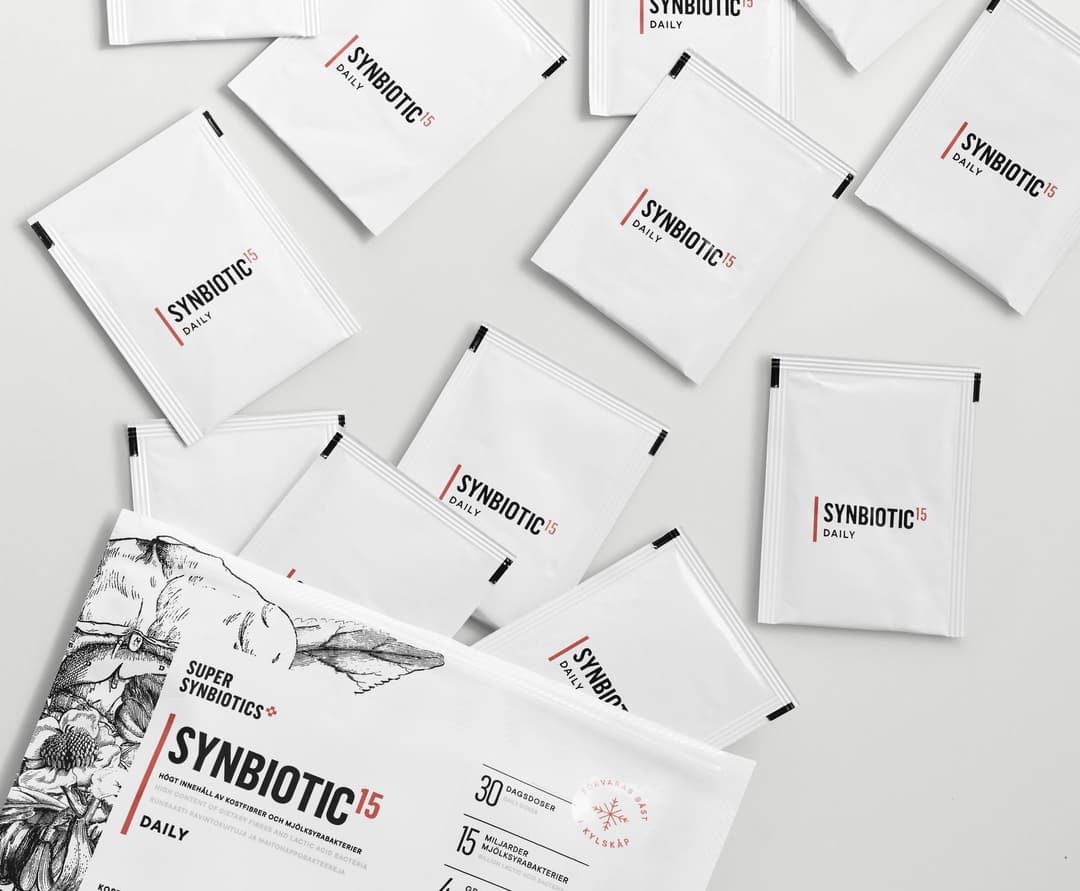
- Unique and patented composition of lactic acid bacteria and dietary fibers
- A well-proven supplement with over 30,000 customers
- Based on 25 years of research with Synbiotic 2000

The study was carried out on 20 healthy people who ate two different diets over one month, one consisting of heavily processed foods and one of minimally processed foods. Both diets had the same nutritional content and consisted of three meals a day. Alongside this, the participants had access to heavily processed and unprocessed snacks, depending on which diet they were on at the time.
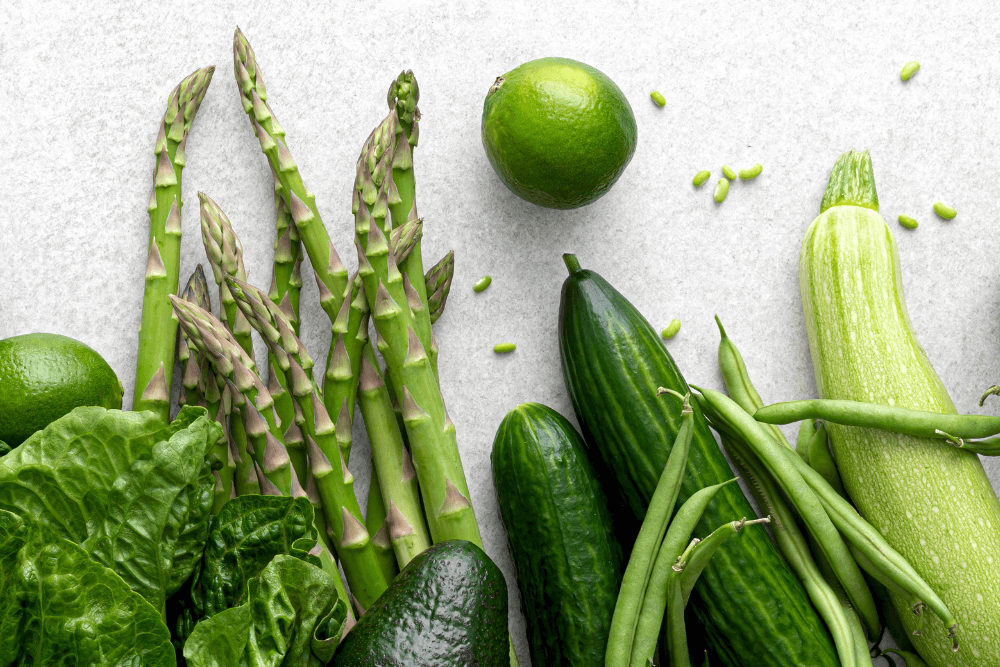
The diet of heavily processed food consisted of processed meat, breakfast flakes, margarine, and white bread, among others. The unprocessed diet, on the other hand, consisted of fresh fruit and vegetables, nuts, grains, and minimally processed meat.
The heavily processed diet resulted in a weight gain of around 1 kilo in two weeks, while the unprocessed diet caused the participants to lose weight instead. When the participants ate the heavily processed food, they also ate more quickly and took in more calories per day. Previously, it was thought that it was the composition of the food – since processed food often contains a combination of salt, sugar, and fats – that caused the weight gain. This study showed, however, that it seems to be the delayed feelings of fullness that lead us to eat more than the body needs.
You can find the whole study here.